




Applications
-
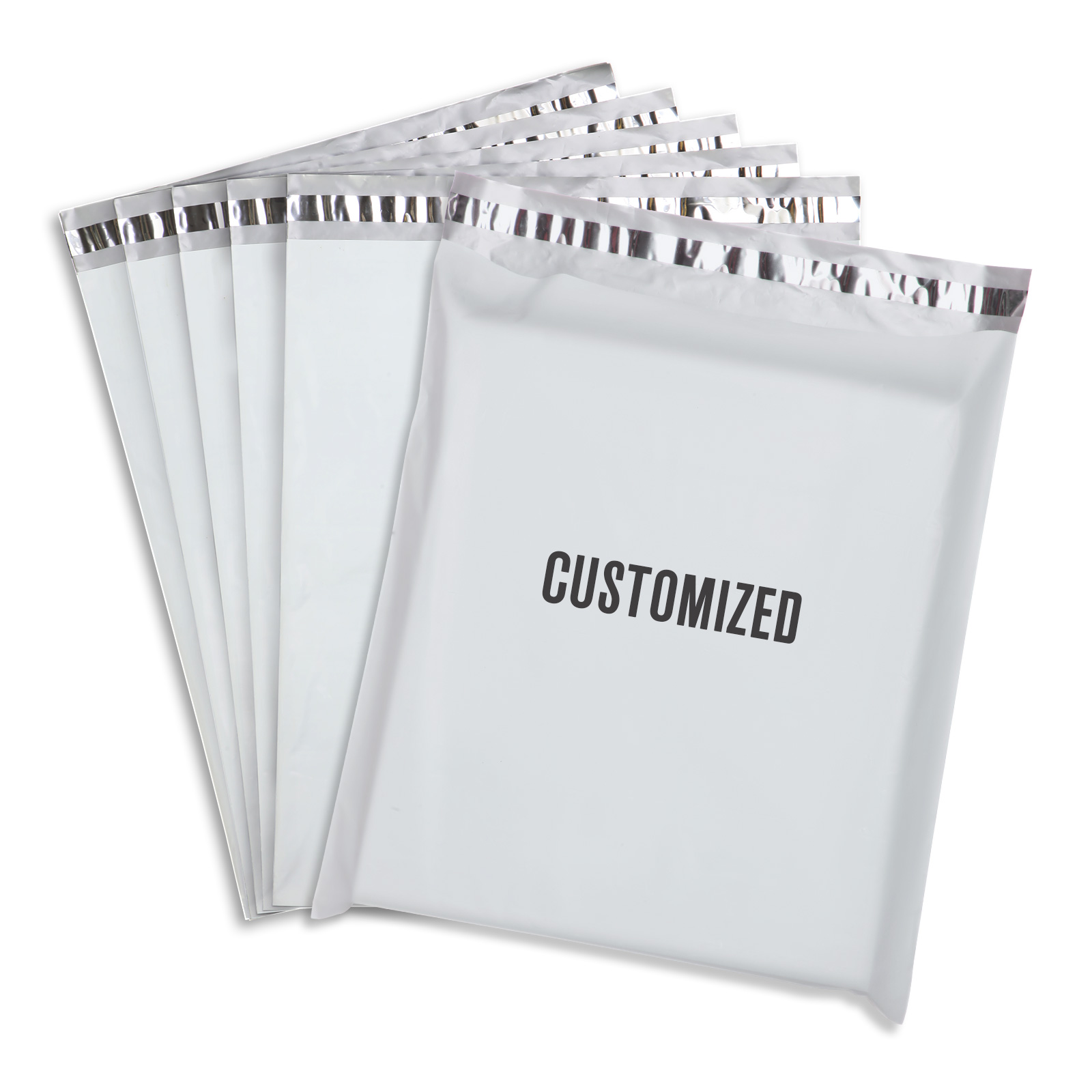
 Application in the field ofWarehouse and logistics
 -
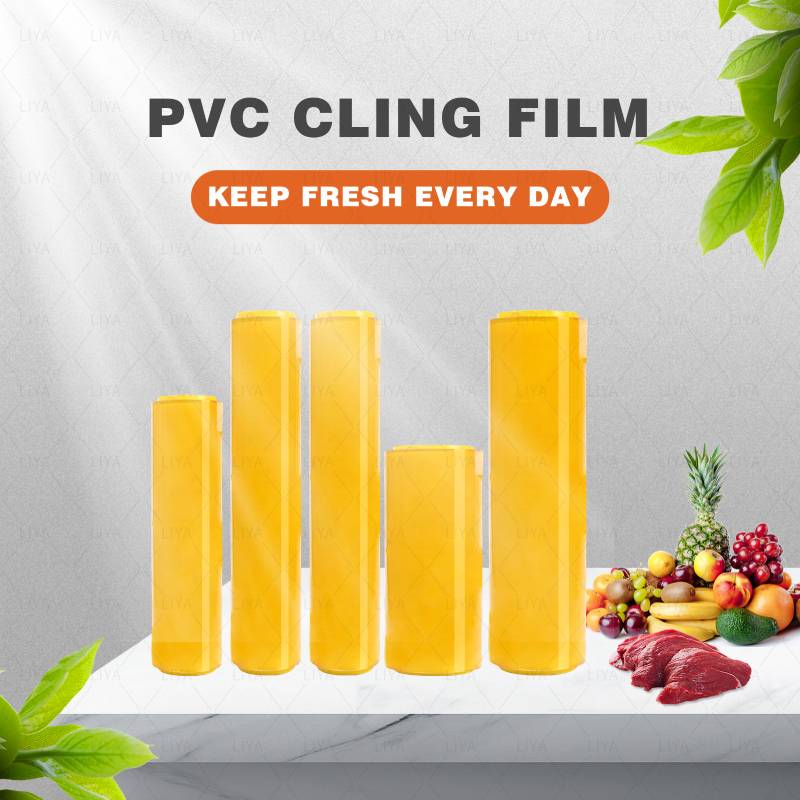
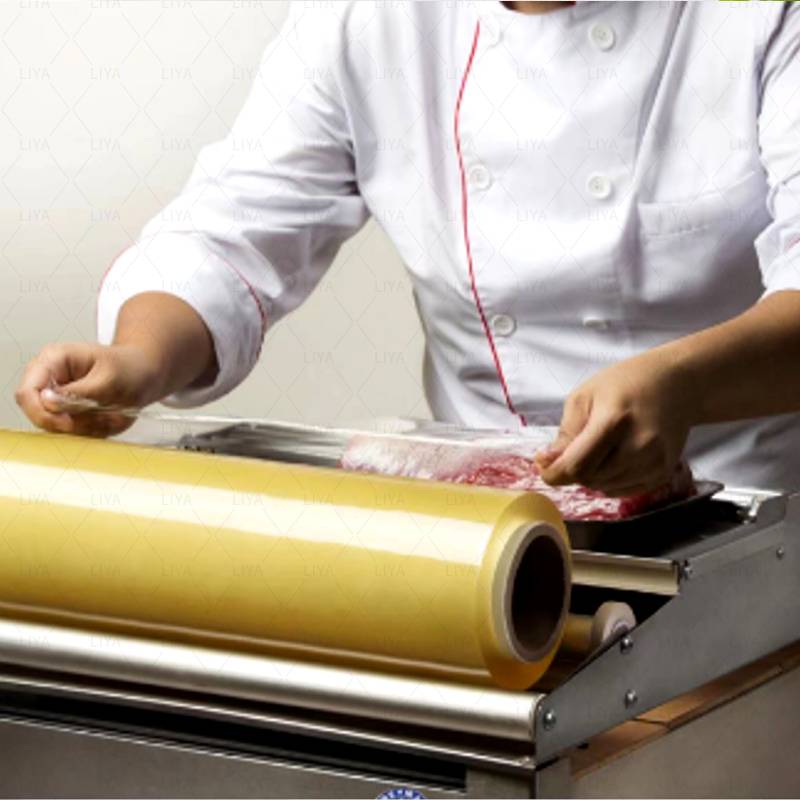
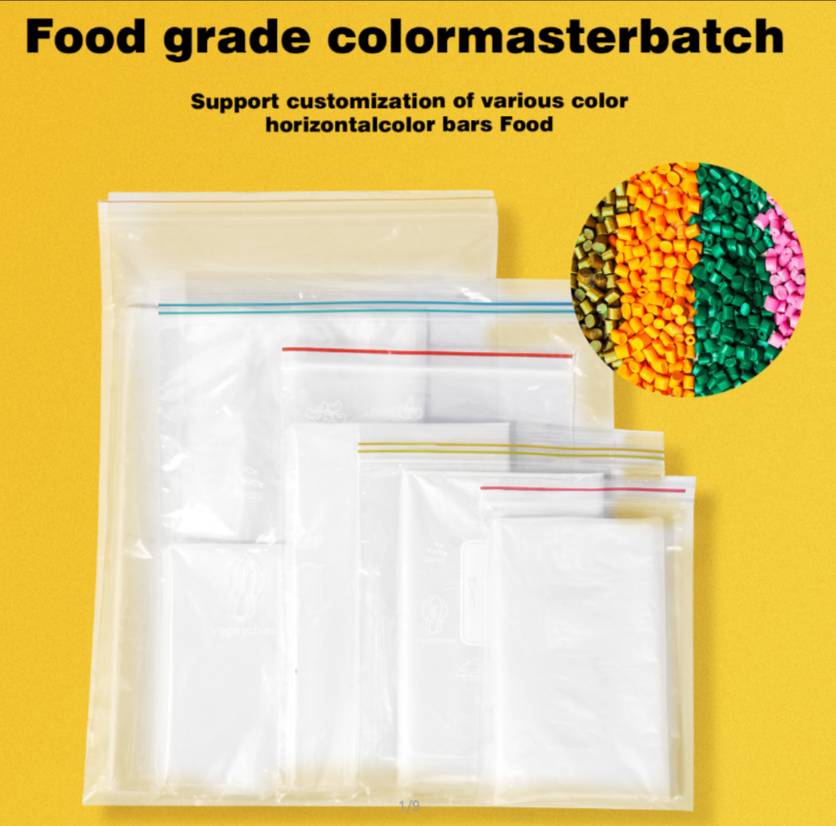
 Application in the field ofFood Packing
 -
 Application in the field ofBiodegradable
 -
 Application in the field ofbuilding materials integated packing
 -
 Application in the field ofpaper industry
 -
 Application in the field ofHotel Industry
 -
 Application in the field ofauto parts packing
 -
 Application in the field ofApplications
single use disposable gloves
Plastic trash bag and garbage bags are staples in households and businesses, designed to contain waste efficiently. However, their presence in landfills poses significant environmental challenges that extend far beyond simple disposal. Xiongxian Liya Packaging Materials Co., Ltd., a leading producer of plastic packaging materials since the early 1980s, has long been part of the packaging landscape. Based in the Plastic Packaging Park of Xiong County, Baoding, Hebei Province, with a 100,000-square-meter facility and 130 million yuan registered capital, the company recognizes the need to address these issues as the industry shifts toward sustainability. From everyday garbage bags to specialized clear trash bags , plastic variants linger in landfills, creating problems that demand attention. Slow Decomposition of Plastic Trash Bag in Landfills Persistence Over Centuries: Unlike organic waste, plastic trash bag products do not biodegrade. Made from polyethylene, they photodegrade—breaking into smaller microplastics—over hundreds of years. Even clear trash bags , which lack colorants, persist just as long, cluttering landfills and leaching chemicals into soil and groundwater during this slow breakdown process. Microplastic Formation: As plastic garbage bags degrade, they fragment into microplastics (particles smaller than 5mm). These tiny pieces are impossible to remove from landfills and can seep into nearby ecosystems, contaminating soil and water sources. Microplastics then enter the food chain, posing risks to wildlife and potentially human health. Space Occupation: The slow decomposition of trash bag plastics means they take up valuable landfill space indefinitely. With global waste production rising, landfills are reaching capacity faster, forcing communities to expand existing sites or find new ones—both of which disrupt ecosystems and increase costs. Environmental Hazards of Garbage Bags in Landfills Methane Emission Amplification: When garbage bags seal organic waste within landfills, they create anaerobic (oxygen-free) environments. This causes organic matter to decompose and release methane, a potent greenhouse gas with 25 times the heat-trapping power of CO₂. Plastic trash bag barriers prevent methane from escaping naturally, intensifying its impact on climate change. Chemical Leaching: Plastic clear trash bags and colored variants contain additives like phthalates and BPA, which leach into soil and groundwater over time. These chemicals are linked to hormonal disruptions in wildlife and humans, contaminating drinking water sources near landfills and threatening aquatic life. Wildlife Entanglement: Even in landfills, garbage bags can harm animals that venture into these sites. Stray birds, rodents, and other creatures may get tangled in torn plastic or ingest microplastics, leading to injury, starvation, or death. This disrupts local ecosystems and creates imbalances in wildlife populations. Economic Burdens of Plastic Trash Bag Disposal Increased Landfill Maintenance: Landfills must manage the long-term presence of plastic trash bag waste, which requires ongoing monitoring and maintenance. Raking, compacting, and separating plastic debris from organic waste add labor and equipment costs, straining municipal budgets. Limited Landfill Lifespan: The space taken by non-decomposable garbage bags shortens the functional lifespan of landfills. Communities are forced to invest in new landfill sites or waste-to-energy facilities, which are expensive to build and operate. For example, a single landfill expansion can cost millions, diverting funds from other public services. Cleanup Costs for Leakage: Torn clear trash bags and damaged trash bag products often leak waste into surrounding areas, requiring costly cleanup. This is especially problematic in older landfills with inadequate liners, where leaked waste contaminates soil and water, leading to expensive remediation efforts. Steps Toward Reducing Plastic Trash Bag in Landfills Switch to Compostable Alternatives: Using compostable garbage bags made from plant-based materials (like cornstarch) ensures they break down in landfills, reducing long-term waste. These bags function like traditional trash bag products but decompose into natural components, minimizing microplastic risk. Promote Reusable Systems: Encouraging households and businesses to use reusable bins without trash bag liners, or to use washable cloth liners, reduces reliance on single-use plastics. This is especially effective for dry waste, where the need for a disposable barrier is minimal. Improve Waste Sorting: Properly separating recyclables and compostables reduces the amount of waste that ends up in clear trash bags and garbage bags destined for landfills. Communities with robust recycling programs see lower plastic waste volumes in landfills, easing space and environmental pressures. Trash Bag FAQS Do Clear Trash Bags Decompose Faster Than Colored Ones in Landfills? No. Clear trash bags and colored trash bag products are both made from polyethylene, so they decompose at the same glacial pace (200–1,000 years). Colorants do not affect their breakdown rate, meaning all plastic variants persist equally in landfills. Can Garbage Bags Be Recycled to Reduce Landfill Waste? Some plastic garbage bags can be recycled if they are clean and made from recyclable polyethylene. However, most end up in landfills because they are contaminated with waste, making recycling impractical. Compostable alternatives are a more reliable solution. How Do Plastic Trash Bag Impact Landfill Gas Emissions? Plastic trash bag products trap organic waste, creating anaerobic conditions that boost methane production. Methane is a powerful greenhouse gas, so reducing plastic bags in landfills helps lower these emissions and mitigate climate change. Are Biodegradable Trash Bag a Better Option for Landfills? Yes, but only if they are certified compostable. Biodegradable garbage bags made from materials like PLA break down in landfills, reducing microplastic formation and space occupation. Look for certifications like ASTM D6400 to ensure they decompose properly. Where Can Businesses Find Sustainable Alternatives to Plastic Trash Bag? Companies like Xiongxian Liya Packaging Materials Co., Ltd. are expanding their eco-friendly product lines to include compostable and reusable alternatives to traditional trash bag and clear trash bags . Visiting their website can help businesses explore sustainable options tailored to their needs.


0
Square Meters

0+
All Employees

0Tons
Annual Production

0+
Patent Certificate
OUR ADVANTAGE
-
 QUALITY & INNOVATIONWe certified by FDA,SGS, AEO,I-SO9001,I-SO22000 etc.,We have own innovation& research team ,In 2020, our company established an industry university research cooperation relationship with the National Engineering Research Center of Engineering Plastics, Institute of Physics and Chemistry, Chinese Academy of Sciences, and established the "Hebei Biodegradable Polymer Film Technology Innovation Center".
 -
 MORE RELIABILITY and End-to-end solutionMake more informed decisions with unlimited support from our team of product specialist,we guarantee the highest quality product and customer experience with every order! Get your packaging from certified manufacturers for reliable results every single time.
 -
 CUSTOMIZED SERVICEMore brand impact ,fully control the size of your packaging with no limitations to tailor your product , OEM&ODM Acceptable. Leave your customers with a lasting impression with solutions designed for brand impact and recognition.
 -
 SAVE COST &TIMEOur raw materials are directly purchased from large enterprises domestic and overseas such as Petro China, Sinopec, Sabic, Equate, Exxon Mobil, Dow Chemical, Total, and Borouge, ensuring the price advantage and quality of the raw materials. Benefit from expertly engineered solutions designed to save you as much time and money as possible.
-
LASTEST NEWS
-
EXIHIBITION
-

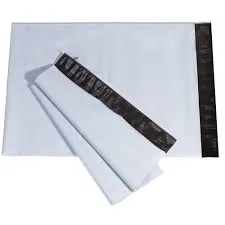
2026-04-02 20:54 Customizable Poly Mailer Bags for Your Unique Shipping Needs and Branding SolutionsThe Rise of Personalized Poly Mailer Bags A New Era in Shipping In the bustling world of e-commerce, -
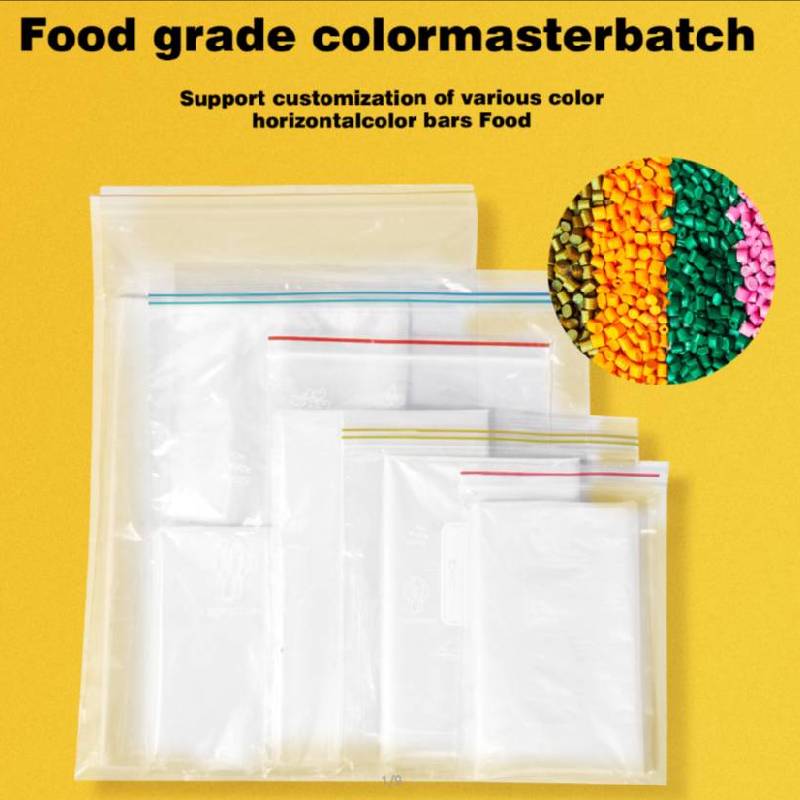
2026-04-02 19:35 Eco-Friendly A3 Parcel Bags for Secure and Sustainable Shipping SolutionsThe Importance of A3 Parcel Bags in Modern Shipping In the era of e-commerce and online shopping, th




 English